Old Bill Invents Phoebe
My father, Bill Hamilton, a long retired farmer, decided, in his nineties, to fill his time writing the adventures of Fearless Phoebe the Super Model. Deteriorating neck vertebrae, hardened scars from a lifetime of chainsaw mishaps, grindstone explosions, electrical shocks, mashed fingers, horse and mower injuries and tractor accidents did not deter him. On his trusty Smith Corona typewriter, Bill turned out pages by the stack, doggedly pecking away with one finger.
Due to failing eyesight and sketchy grammar, each page is a solid block of all capital letters. There are no breaks, paragraphs or punctuation except for commas, added wherever Bill thought one took a breath. Mistakes are coated with whiteout, sometimes in impressive layers. Needless to say, this work was a daunting challenge, first to digitize, then to untangle who was talking to whom and work out the action. I’ve done this basic. Now, rather than undertake further editing, I have decided to present the work as Bill wrote it, repetitions, creative spelling and all – Bill’s authentic voice. Enjoy
The Cars in Phoebe’s Tale
Bill loved old cars and never missed a chance to look at those dating from his younger days when he never dreamed he could own an automobile. Through his life he went from a series of rattling jalopies to the very proud day he bought himself a brand new pickup truck right off the lot.
Phoebe’s new 1932 Ford Coupé with V8 engine
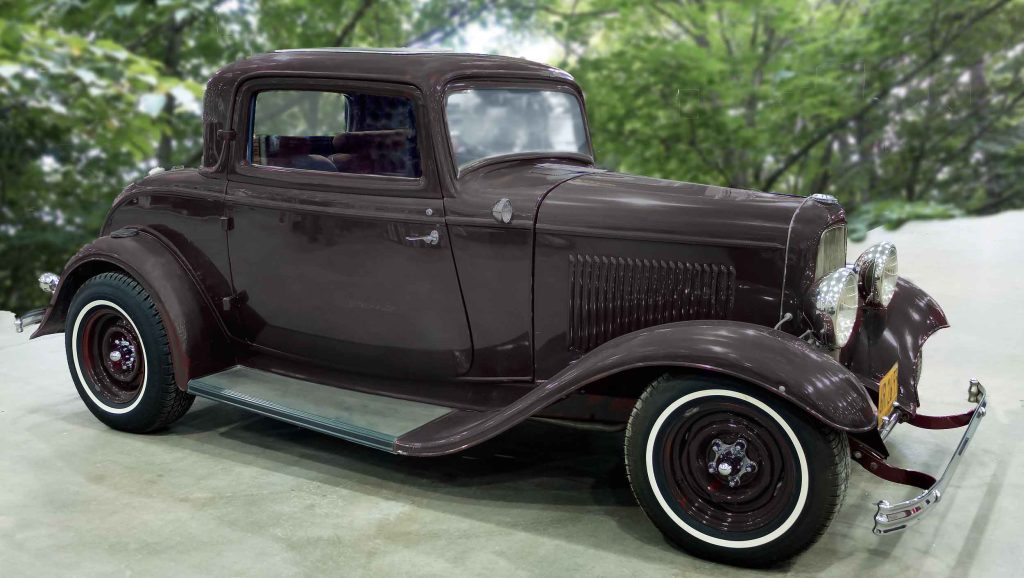
Coupé come from a French word meaning “to cut”. The coupé seated only two (or three squeezed in since there were no seat belts). Phoebe thought this was just fine since extra passengers could ride in the rumble seat which opened outside on the back where today’s trunk would be.
You could get a Ford Coupé for $490, which was a huge gift to Phoebe. The sedan was $160 more. Production totals numbered from 12,597 for the roadster to 124,101 for the two-door sedan. Ford sold 298,647 V8-powered 18s in 1932 and except for the fact Ford could not keep up with V8 demand, the essentially identical four-cylinder V4 would have been a sales disaster. Dealers switched customers to them from the V8, and even then sold only 133,539 in part because the V8 cost just $10 more. Standard trim meant black front window frame, black wire wheels (color optional), black horn (chrome-plated optional), single tail light (second optional), painted dash, position lights integrated in the head lamps, (deluxe cowl lamps optional), and less expensive interiors.
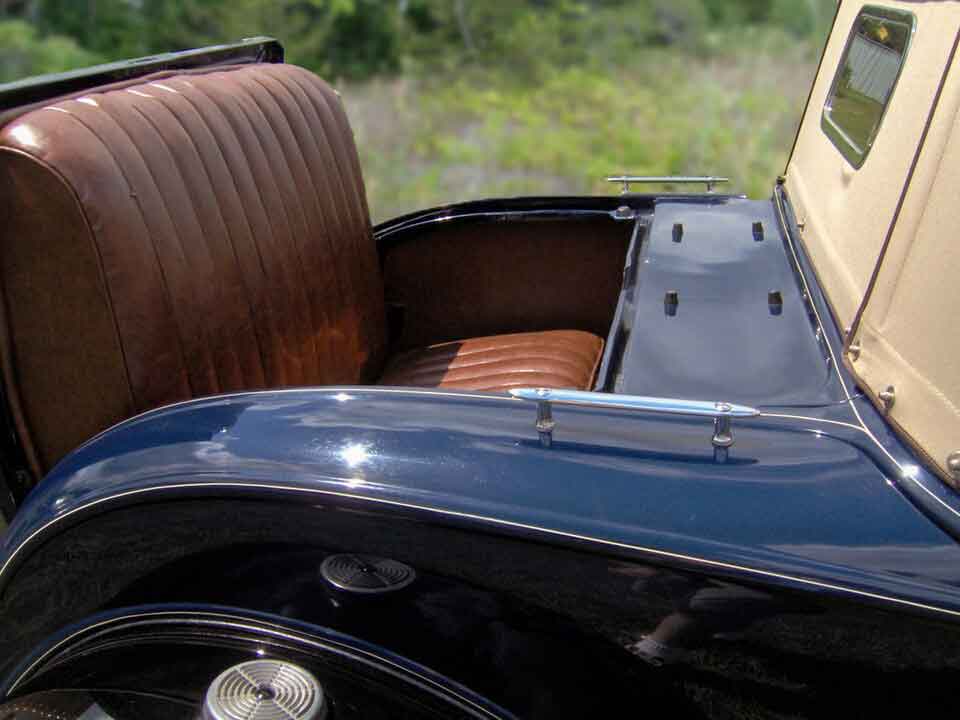
Rumble seat of a 1931 Ford. Only for the nimble.
The Whippet driven by Phoebe’s Aunt Helen Forester.
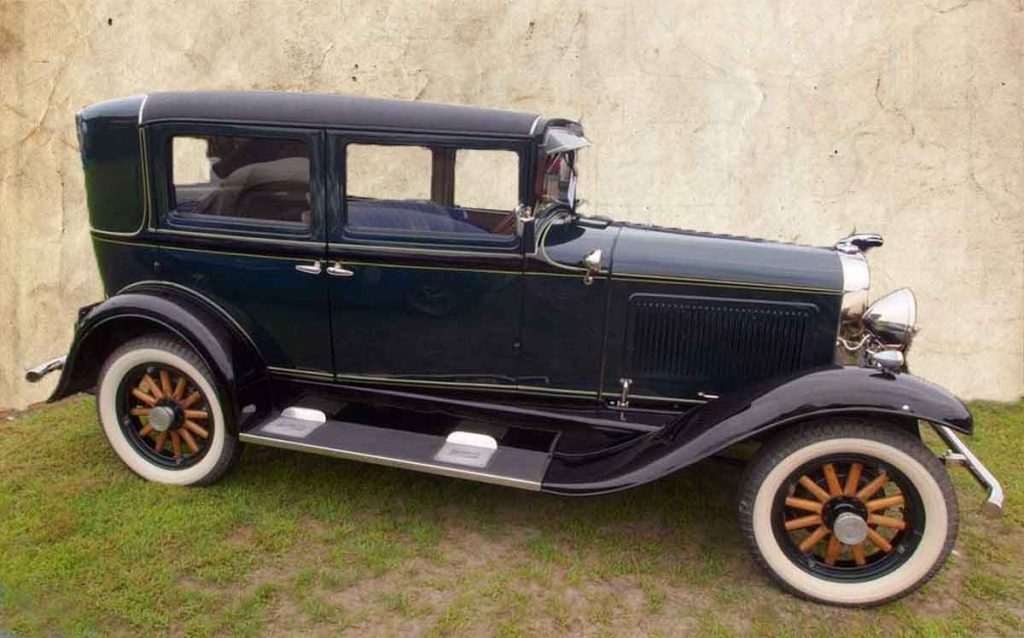
The Whippet was an affordable, compact American automobile manufactured by Willys-Overland in Toledo, Ohio, from 1926 to 1931. Named after the swift dog to denote a small, nimble vehicle, it became a massive sales success by offering advanced engineering—such as four-wheel brakes—for under $1,000. It was perfect for getting Aunt Helen and Phoebe around in Toronto.
The Packard driven by canning factory owner Burton Syminton.
The Packard, one of the few in the county, was a luxury vehicle driven by Burton Syminton, father of Hector Syminton who spent two weeks in the hospital after foolishly tangling with Phoebe Croiner.
Packard (formerly the Packard Motor Car Company) was an American luxury automobile company located in Detroit, Michigan. The first Packard automobiles were produced in 1899, and the last Packards were built in South Bend, Indiana in 1958.

One of the “Three Ps” – alongside Peerless Motor Company and Pierce-Arrow, the company was known for building high-quality luxury automobiles before World War II. Owning a Packard was considered prestigious and surviving examples are often found in museums and automobile collections.
The Durant owned by Pheobe’s farm family, a reliable farm car.

The Durant was produced by Durant Motors from 1921 to 1932. Founded by William “Billy” Durant after his departure from General Motors, these mid-range vehicles were built to challenge his former employer.
Durant Motors operated a massive, highly successful assembly plant in the Leaside neighborhood of Toronto, Ontario. By 1924, this factory made Durant Canada’s third-largest car builder. The cars, a direct competitor to GM’s Oldsmobile line, were praised for their reliable “Continental Red Seal” engines and were sold through one of the world’s first modern dealership networks
The Hudson driven by Sam Gilson, the Ashcroft Church Choirmaster
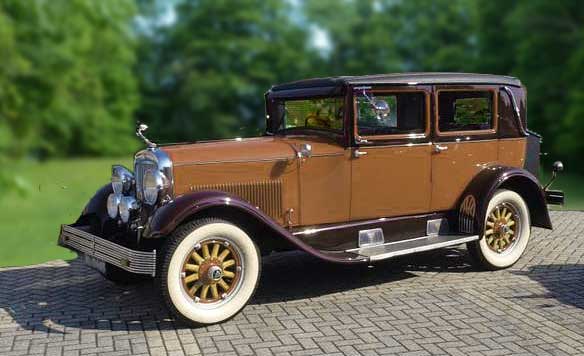
Hudson automobiles, built in Detroit, were substantial vehicles with many firsts in the auto industry. At their peak in 1929, Hudson and Essex, its lower priced model, produced a combined 300,000 cars in one year, including contributions from Hudson’s other factories in Belgium and England. Hudson was the third largest U.S. car maker that year, after Ford Motor Company and Chevrolet.In 1938, Hudson sold 719 Trucks and in 1939 409 Trucks
Willys-Knight driven by Nancy and Dell Sinton
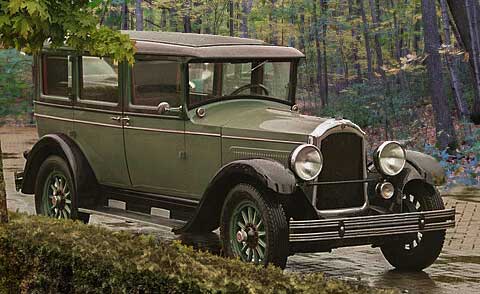
The Willy-Knight was manufactured between 1914 and 1933 I Toledo, Ohio. After 1922, it enjoyed a production run averaging 50,000 cars per year. It was a refined, mid range, luxury type auto, positioned above basics like Ford and Chevrolet. Production ceased in 1933 due to the Great Depression.
Duesenberg driven by Tevor Hazelton
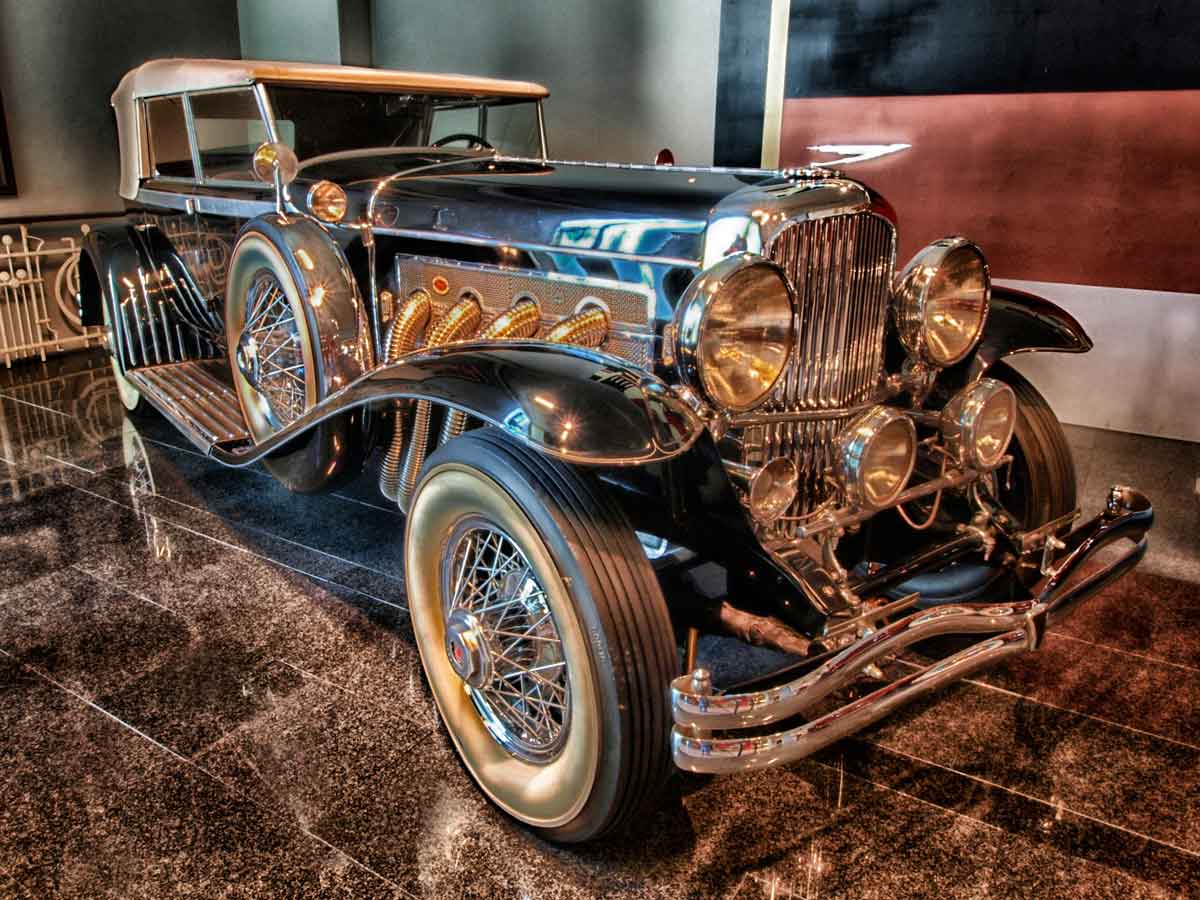
The Duesenberg was a luxury automobile that, at its peak, was considered the pinnacle of American luxury cars and engineering. It was also the first American car to win the French Grand Prix race. It became a popular status symbol for the American and European nobility and the rich, and famous. Today, Duesenbergs are highly sought after as collectable automobiles, with many surviving models being among the most valuable cars in the world.
Fearless Phoebe: Read Episodes Here
-
Episode 25: Phoebe Tells of Urban Accolades
-
Episode 24: Phoebe’s Mom Gives Poachers the Boot
-
Episode 23: Blueberry Pie is a Great Hit
-
Episode 22: The City Comes to the Country
-
Episode 21: Phoebe Flattens an Obstacle
-
Episode 20: Phoebe Confronts a Big City Problem
-
Episode 19: Can Phoebe Dance as Well as Sing?
-
Episode 18: Phoebe Hatches a Plot with Grandpa
-
Episode 17: Phoebe Enters a New Level of Society
-
Episode 16: Phoebe is Persuaded to Honour Old Loving Hearts