They belong to another era and were a fix-it solution for ground too stony to drive in a fence post. When my father bought the farm, back in the 1940s, he found his acres of pasture land consisted of a thin layer of grass and gavel over limestone bedrock less than a foot down. And the place needed fences everywhere. Deadmen, as the neighbours called them, were the local creative solution to anchoring wire fencing.
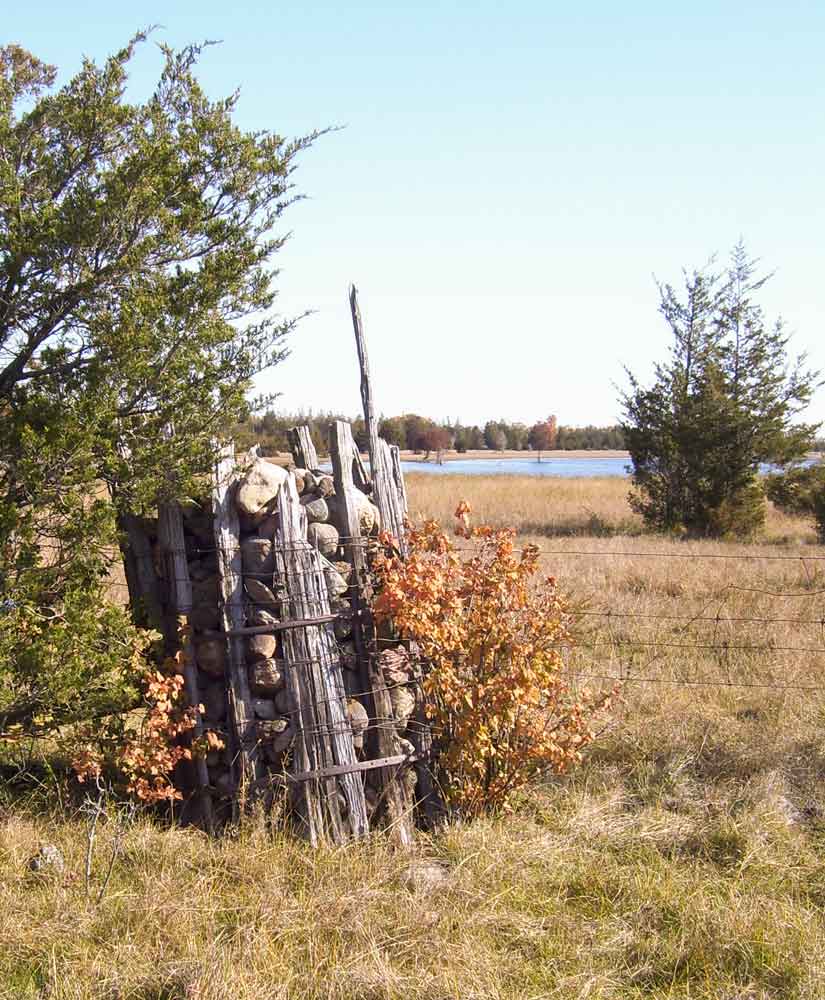
A deadman consisted of a circle of posts containing, at the centre, rocks loaded in to the height of about five feet and held together by iron rims from old buggy wheels. This whole sat atop the ground relying on the weight of the rocks to keep it upright. Fence wire could be attached and stretched taut without pulling the heavy structure over.
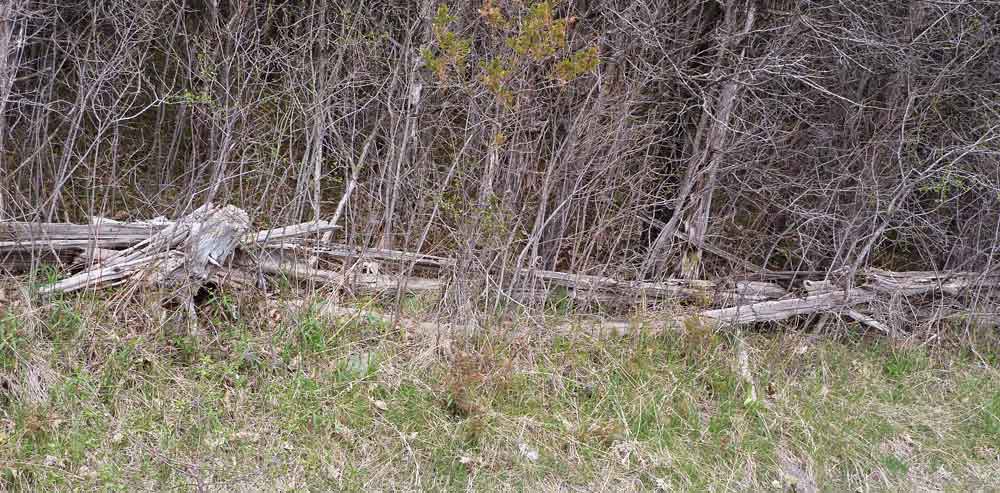
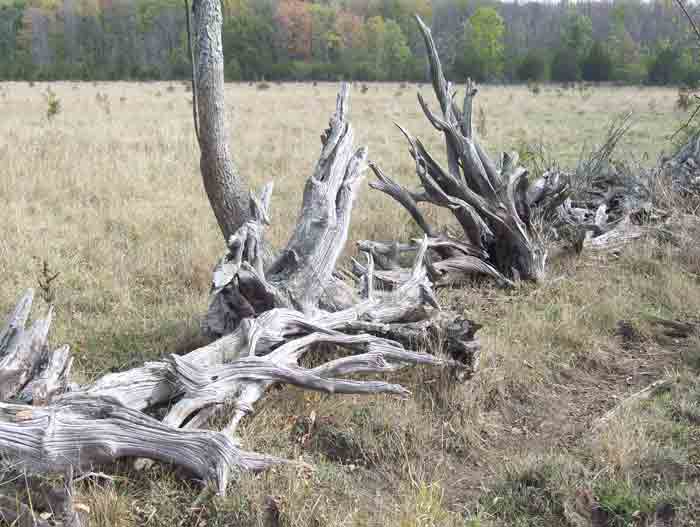
Deadmen belong to a bygone day but some still stand where the fence corners were. The posts for the circle are salvaged from an even older time when split cedar rails made fences. The whole side of the farm along the road was fenced with cedar rails until Hurricane Hazel came through and blew them down. The very back field has remnants of the still earlier fence of intertwined pine roots the first settlers used to keep livestock in.
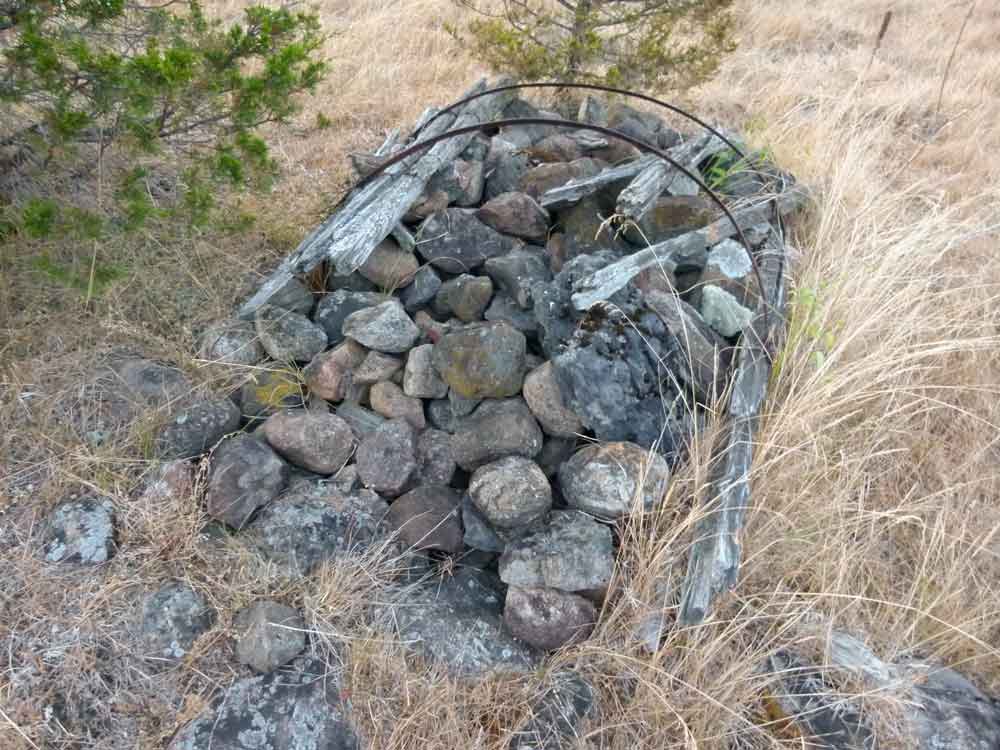
However, the day of the deadmen is long gone and many have simply collapsed where they stood, spilling their stones back to the earth and letting the grass grow up around them. Yet these relics remain a testament to the hard labour and ingenuity of former generations. And I know each of these stones was painstakingly collected and hauled from the plowed fields of deeper soil by my dad.








 I don’t know why I am fascinated by this battered yard sale sale acquisition but I can’t stop delving into marine knowledge of another era. The book is a highly detailed manual of everything one needed to know to become a serious sailor in 1913. Well-thumbed, taped together, the book contains study notes, in real ink, browning at the edges, of its long-ago owner, one Francis Walsh of Nova Scotia.